What is Site Audit?
Site Audit is a comprehensive examination of a website's technical, performance, and content elements to identify issues affecting user experience, search engine visibility, and business goals. It evaluates factors like page speed, broken links, mobile responsiveness, SEO compliance, security, and functionality to provide actionable recommendations for improvement.
TL;DR: A systematic review of your website's health, performance, and SEO to find and fix problems.
Key Takeaways About Site Audit
- Site audits identify technical issues, broken links, performance problems, and SEO deficiencies.
- Regular audits help maintain website security, speed, and search engine rankings.
- Audit results guide prioritized improvements that boost user experience and conversions.
- WordPress sites benefit from audits checking plugin conflicts, theme issues, and database bloat.
- Professional audits provide detailed reports with specific, actionable recommendations.
Understanding Site Audit: Definition and Context

Site Audit's a full examination of your website's technical elements. It checks performance and content to find issues affecting user experience. It also looks at search engine visibility and your business goals. The audit evaluates page speed, broken links, and mobile responsiveness. It checks SEO compliance, security, and functionality too. Then it gives you actionable recommendations for improvement.
A site audit functions as a health check for your website. Just as a doctor examines a patient to diagnose problems, a site audit systematically scans your entire website. It uncovers hidden issues that may be harming performance. These issues can range from obvious problems like broken links and missing images. They can also include subtle concerns like slow-loading pages. Poor mobile formatting or missing SEO metadata are other examples.
We've seen this a lot over the years. Site audits typically generate detailed reports that categorize findings by severity. Critical issues require immediate attention. Warnings should be addressed soon. Suggestions for optimization help you improve further. The audit process is often automated using specialized software tools. Professional review and interpretation of results add significant value.
Why Site Audit Matters for WordPress Web Design Customers
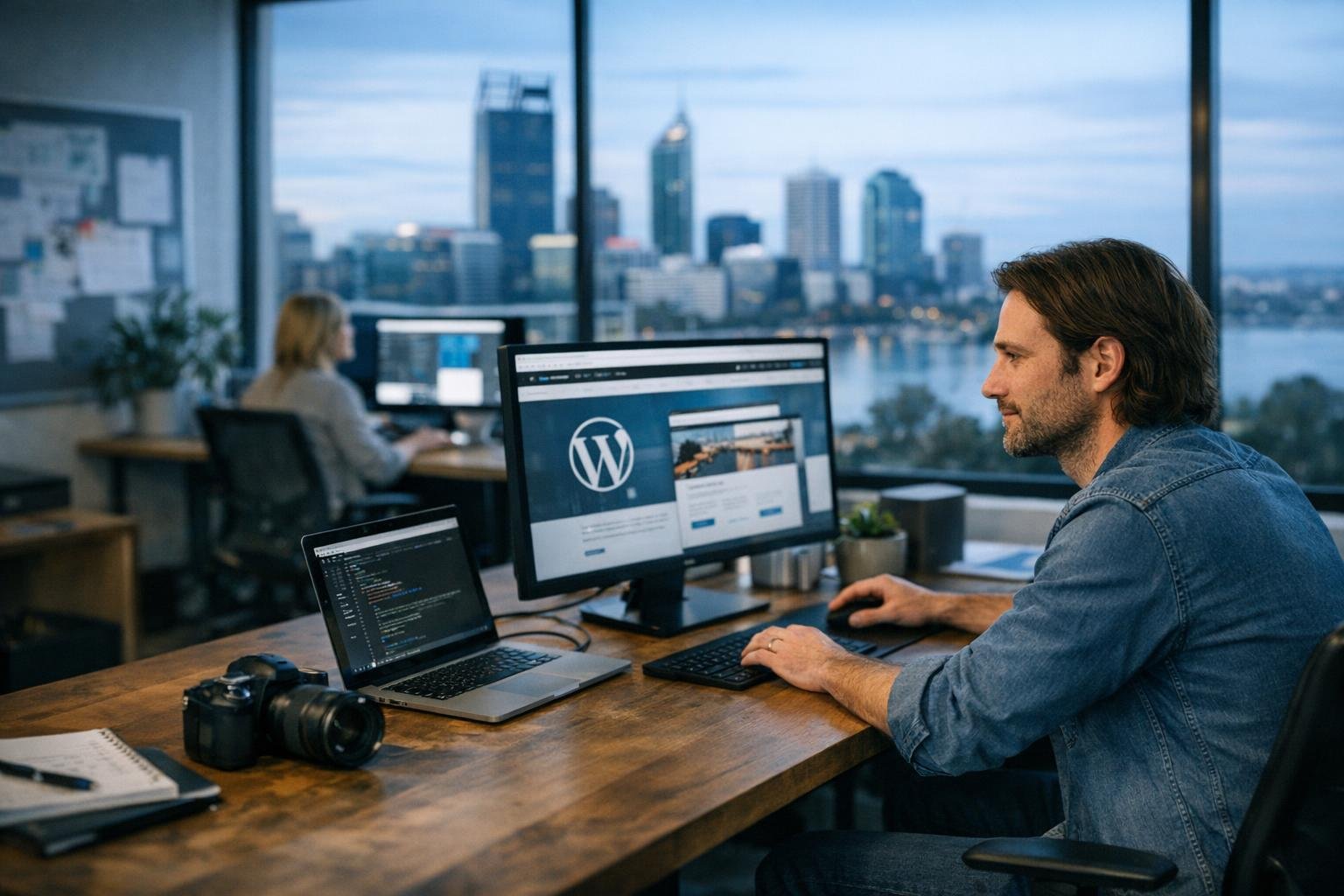
For business owners and website managers, a site audit provides clarity. You'll see your website's actual performance versus your assumptions. Many website owners find through audits that their sites have technical problems. They weren't aware of these problems before. These problems could be costing them customers and search rankings. They could also hurt credibility. An audit reveals the gap between how you think your site performs and how it actually performs.
Regular site audits also protect your investment in web design and development. A website that worked perfectly when launched can degrade over time. Plugins update, hosting environments change, or content accumulates. Audits catch these degradations early. They prevent small issues from becoming expensive problems. For e-commerce sites, WordPress blogs, and service provider websites, even minor performance issues directly impact revenue. They also affect customer satisfaction.
How Site Audit Fits Into WordPress Web Design Services in Perth
WordPress Web Design Perth integrates site audits into initial website assessments. We also include them in ongoing maintenance programs. When launching a new WordPress site, an audit ensures the design meets standards. Your theme, plugins, and hosting configuration must meet performance and SEO standards. The audit happens before going live. For existing WordPress websites, periodic audits catch issues introduced by plugin updates. They catch theme conflicts or accumulated database bloat too.
Perth-based businesses benefit from site audits custom to their local market needs. The audit considers your competitive scene. An audit might reveal that competitors' sites load faster. They may have better mobile optimization or higher local search rankings. This competitive intelligence helps WordPress web design professionals prioritize improvements. Real business advantage comes from focusing on the right changes. Site audits also ensure compliance with accessibility standards and security best practices. These are increasingly important for Perth businesses serving diverse customer bases.
Site Audit in Practice: A Real-World Example
A Perth-based plumbing company launches a new WordPress website. Three months later, they notice their Google rankings have dropped and customer inquiries are down. A site audit reveals that their hosting migration introduced a redirect chain slowing page load times, several plugins are conflicting with the theme causing layout issues on mobile devices, and their SEO metadata is incomplete. The audit report prioritizes fixing the redirect chain first, then resolving plugin conflicts, then completing SEO optimization—giving the business a clear roadmap to recovery.
Sources & Further Reading on Site Audit
WordPress Web Design Services Related to Site Audit
Frequently Asked Questions About Site Audit
How often should I have my WordPress website audited?
Most WordPress websites benefit from audits at least quarterly or semi-annually. High-traffic e-commerce sites should audit monthly. After major updates, plugin installations, or hosting changes, immediate audits catch issues early. Regular audits prevent small problems from compounding into serious performance or security issues.
What's the difference between a site audit and SEO audit?
A site audit is broader, examining technical performance, user experience, security, and functionality across your entire website. An SEO audit focuses specifically on search engine optimization factors like keyword targeting, metadata, backlinks, and ranking potential. Many comprehensive site audits include SEO audit components, but SEO audits don't necessarily cover technical performance or security.
Can I audit my WordPress site myself, or do I need a professional?
Free tools like Google PageSpeed Insights and Yoast SEO plugin provide basic self-service audits suitable for quick checks. However, professional audits uncover deeper issues—plugin conflicts, database optimization opportunities, security vulnerabilities, and competitive gaps—that automated tools miss. Professional auditors also provide strategic recommendations tailored to your business goals.
Have Questions About Site Audit?
Contact our wordpress web design experts in Perth for professional guidance.